Container loading maths for chairs
Freight is quoted per container, so the only number that matters is how many chairs you can fit in one. That number swings by a factor of four depending on frame type.
Published by JP Furniture · Chair manufacturer in Foshan, China · 2026-09-26
Typical counts by frame type
These are working figures for a 40ft high-cube (about 68 m³ usable), packed to standard export cartons:
- Fully assembled solid wood: 300–420 pcs.
- Stackable wood or metal (4–6 high): 600–900 pcs.
- KD (knock-down) flat-pack: 900–1,400 pcs.
- Banquet chairs on a stacking trolley: 500–700 pcs.
A 20ft container is roughly 45% of those numbers. Volume, not weight, is the binding constraint on seating — chairs cube out long before they weigh out.
What changes the number
- Stack height. Every extra chair in a stack multiplies through the whole container.
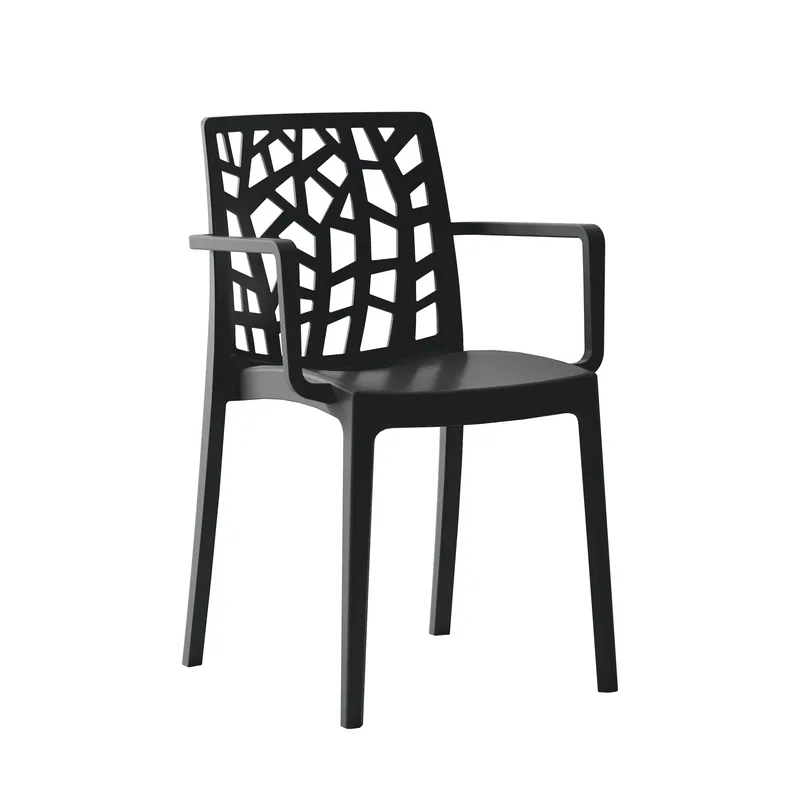
- Armrests. Arms typically cut piece count by 15–25% because the carton footprint grows.
- KD frames. The biggest single lever, at the cost of assembly labour at destination.
- Carton tolerances. A 20 mm carton overhang wastes a surprising amount of a container.
Turning piece count into landed cost
Landed cost per chair = (EXW price × qty) + inland haulage + ocean freight + insurance + duty + destination charges, all divided by qty. Because freight is a fixed per-container number, doubling the piece count roughly halves the freight component per chair.
This is why mixing models in one container matters: it lets you hit per-SKU MOQ without paying for a part-full container. See sourcing FAQ for how we plan mixed containers.