Why tall stools tip, and how base design fixes it
A tall stool with a narrow base is a liability. Stability is arithmetic: base diameter against seat height.
Published by JP Furniture · Chair manufacturer in Foshan, China · 2026-09-26
The stability ratio
A stool becomes tippy when the base diameter is small relative to the seat height. As a working rule for commercial use:
- Counter height (620 mm seat): base diameter of at least 380 mm.
- Bar height (730 mm seat): base diameter of at least 430–450 mm, or a weighted disc base.
A disc base in the 4–6 kg range brings the centre of mass down and is the usual fix for slim-profile designs.
Four legs vs disc vs sled
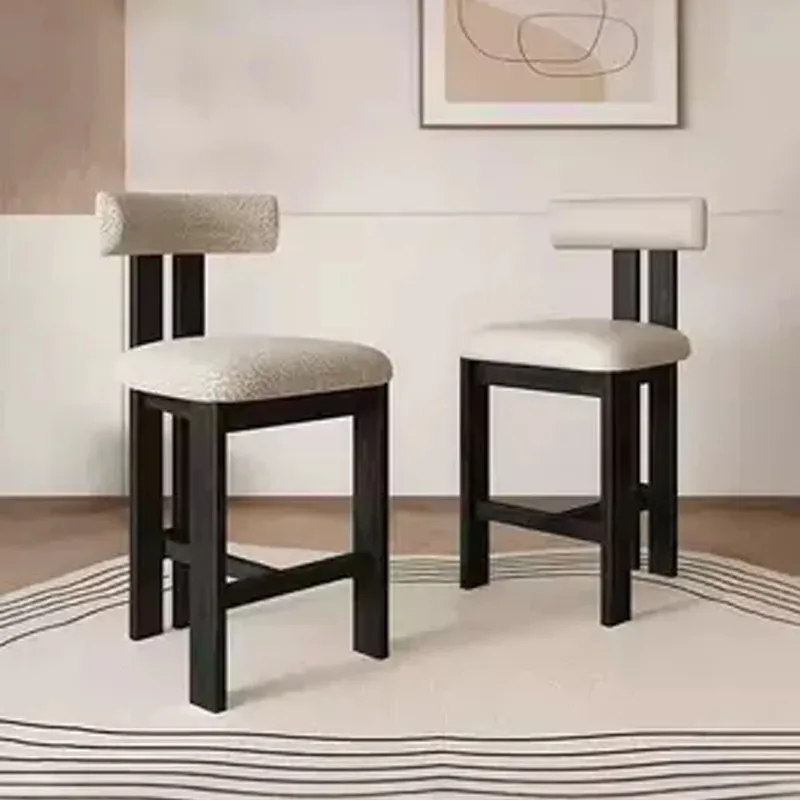
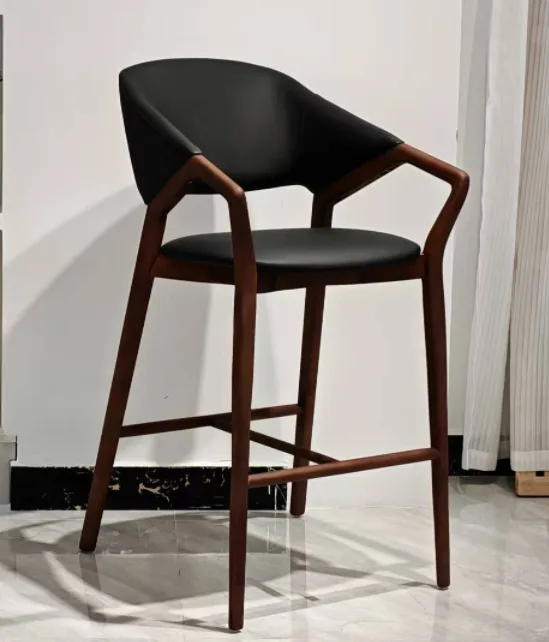
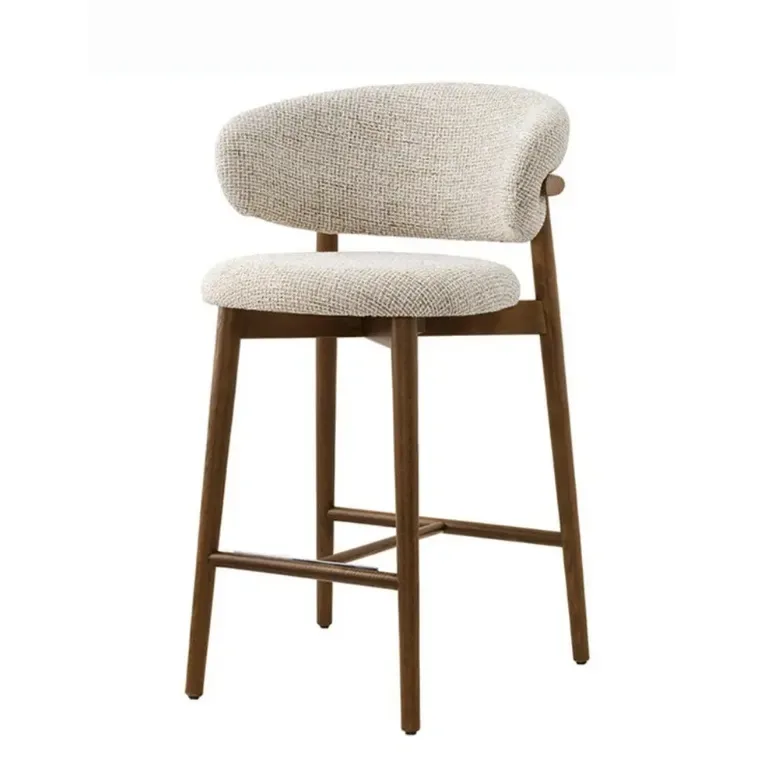
- Four-leg — stable, but guests catch feet on the legs and the footprint is large.
- Disc base — best stability per square centimetre of floor, and the standard for bars.
- Sled base — good on carpet, can rock on uneven hard floors.
Glides and floor protection
Specify replaceable nylon glides for hard floors and felt for timber. Tall seating concentrates load on a small footprint, so worn glides damage floors faster than dining chairs do.
See the bar stool range for base options per model.