Chair HS codes and certificate of origin, without the surprises
Two documents decide whether a container clears in two days or sits for two weeks: the HS code on the commercial invoice and the certificate of origin that travels with it. Both are decided before the vessel sails, and both are cheap to get right at that point.
Published by JPChairs · Chair manufacturer in Foshan, China · 2026-10-24
Where chairs and tables sit in the HS system
Seating and tables are Chapter 94. The first four digits are set internationally; the last two to four are national, and that is where the money is:
- 9401.61: seats with wooden frames, upholstered.
- 9401.69: seats with wooden frames, not upholstered.
- 9401.71: seats with metal frames, upholstered.
- 9401.79: seats with metal frames, not upholstered.
- 9401.30: swivel seats with height adjustment, which is where a gas lift chair goes rather than 9401.71.
- 9403.20 and 9403.60: metal tables and other wooden tables.
- 9401.91 and 9401.99: parts, so a carton of spare seats and legs does not ship as chairs.
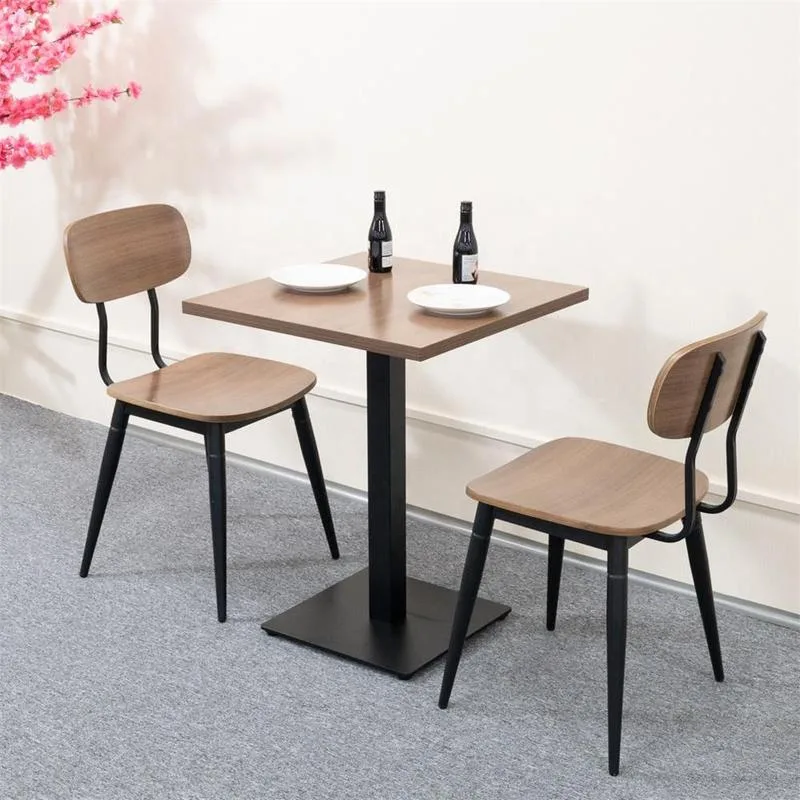
Two questions decide the heading: what the frame is made of, and whether there is upholstery. A metal restaurant chair with a 30 mm foam seat and fabric cover is 9401.71; the same frame with a bare plywood seat is 9401.79.
Why the last digits matter more than the first four
Chapter 94 duty rates commonly differ by 0 to 5 percentage points between neighbouring headings, and some destinations apply measures to one heading and not the next. On a 40HC of 200 chairs at USD 32 FOB, a declared value of USD 6,400, five points is USD 320 on one container and USD 3,840 across a twelve container year.
- Ask for the destination code: the Chinese export declaration uses 10 digits, the US HTS 10 and the EU combined nomenclature 10, and they do not always agree after the sixth.
- Get it in writing before booking: we can run a SKU past your broker before the invoice is cut, which costs nothing and takes 1 to 2 days.
- One code per SKU: splitting identical chairs across two headings to chase a lower rate is the fastest route to a penalty and a 5 to 10 day hold.
The document set that has to agree
Seven documents, and every one carries the same three facts: shipper, consignee and description.
- Commercial invoice: HS code, unit price, total value in the agreed currency, Incoterm and country of origin.
- Packing list: carton count plus net and gross weight to the kilogram. A gap of more than 2 per cent against the bill of lading triggers a check.
- Bill of lading: draft at ETD minus 2 days; a correction after issuance runs USD 60 to 150 and 2 to 5 days.
- Certificate of origin: a plain CO, or a preferential one under a free trade agreement.
- Test report: EN 16139 or BIFMA X5.1, if your market or your insurer asks.
- Fumigation and ISPM 15: every solid wood pallet or crate needs the stamp; a missing one is a re-export at your cost.
- Wood packaging declaration: one page, still asked for by roughly a third of destinations.
Certificate of origin: which one and how long
Pick the certificate at order placement, not at shipment:
- Plain CO from CCPIT: issued in 1 to 2 working days, accepted everywhere, and USD 20 to 40 including courier.
- FORM E, China and ASEAN: 3 to 5 working days, and it is what turns a 5 to 15 per cent duty into zero across the ten members.
- FORM F, FORM P, FORM R and the RCEP CO: 3 to 5 working days each. Which one you need depends on the destination, not on us.
- Timing: we apply at ETD minus 3 working days, because a preferential certificate cannot be backdated after the vessel sails.
- The trap: the consignee on the CO must match the invoice and the bill of lading character for character. A missing Ltd or S.A. is the most common reason a preferential claim is refused.
Six mistakes that cost days and money
Every one of these has happened on a real shipment:
- Description too vague: the word furniture gets queried; metal frame upholstered restaurant chair, 9401.71, does not.
- Two different codes on the invoice and the CO: 1 to 3 days to reissue, plus a hold at destination.
- Net weight guessed: weigh one carton on a calibrated scale and multiply. A 200 kg error on a 12,000 kg shipment is a red flag.
- Container and seal numbers copied late: they are not on the draft bill of lading at ETD minus 3, which is why documents go out in two passes.
- Originals couriered too late: 3 to 5 days in transit, and a container that arrives before its paperwork waits at USD 60 to 120 a day in demurrage.
- Leaving the CO to the last week: a preferential form requested at ETD minus 1 either misses the sailing or ships without the preference, which on USD 6,400 at 8 per cent is USD 512 left on the table.
What to send us, and when
ETD minus 5 working days is the comfortable point, and the whole set is four messages:
- Consignee name and address exactly as it should appear on all documents, at ETD minus 5.
- Any free trade agreement you intend to claim, said at order placement rather than at shipment.
- Your broker's HS code if you have a ruling or a past entry; we match it or tell you where we disagree.
- Document approval within 24 hours of the draft, because the CO application follows it.
- Originals by courier for destinations that still require paper, 3 to 5 days in transit.
Documents are handled inside the process shown on the OEM documentation workflow, and the questions we are asked most are answered on the export documentation FAQ.