What one upholstered chair really consumes in fabric
Fabric is usually 25 to 40 per cent of the cost of an upholstered chair, and the cutting room decides how much of the roll ends up on the seat. Two factories can quote the same cloth and differ by 8 per cent on the finished chair purely on yield.
Published by JPChairs · Chair manufacturer in Foshan, China · 2026-10-22
How much fabric one chair takes
These are the figures we cut to, measured on 140 cm wide contract cloth with a 12 mm seam allowance on every edge.
- Restaurant side chair: a seat pad plus an inside back takes 0.55 to 0.75 m².
- Fully upholstered dining chair: with the outside back covered, 0.9 to 1.2 m².
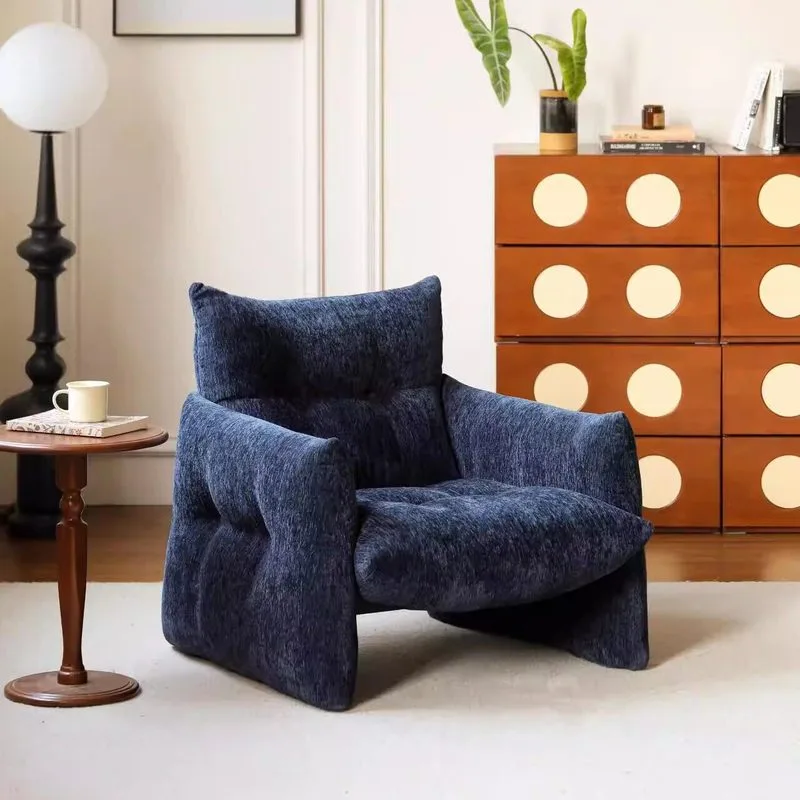
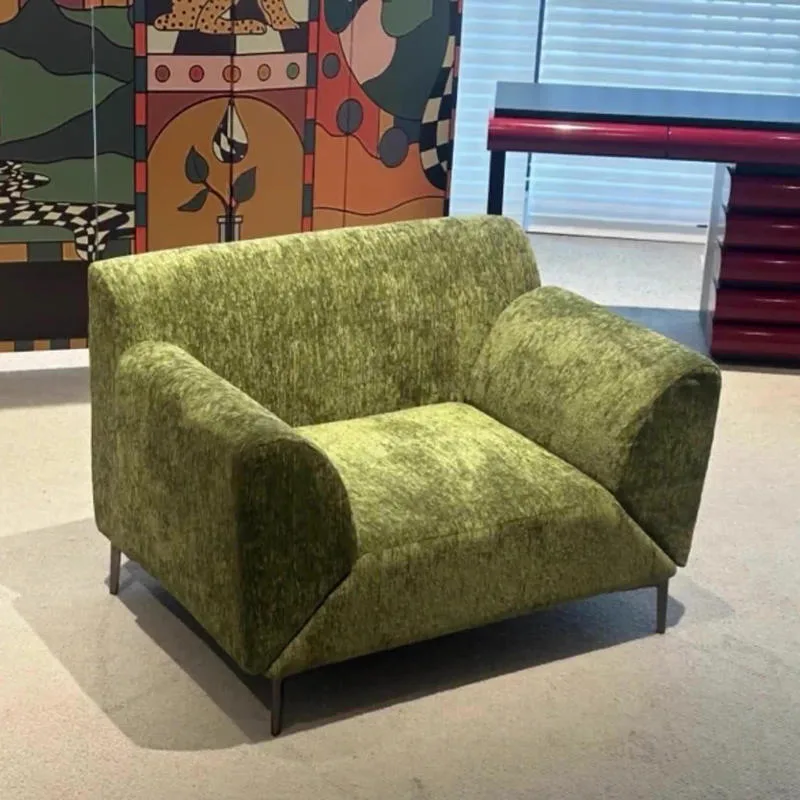
- Lounge chair: a shell plus a loose cushion runs 2.4 to 3.2 m².
- Bar stool: a wrapped seat and a shaped back uses 0.7 to 0.9 m².
- Width matters: the same pattern cut from a 137 cm roll instead of 140 cm costs about 2 per cent more per chair, because the marker loses a usable column.
- Roll planning: a 30 m roll therefore covers roughly 30 fully upholstered chairs or 45 seat pads, which is what sets the practical order step.
Marker efficiency and pattern repeat
Marker efficiency is the share of the cloth that becomes sewn panels. It is the single number that explains most of the price gap between two quotes on identical fabric.
- Plain cloth: 88 to 92 per cent efficiency on simple panels; below 85 per cent means the marker was drawn too quickly.
- 32 cm repeat: adds 8 to 12 per cent to consumption, because every panel must start at the same point in the pattern.
- 64 cm repeat: a large check can add 18 to 22 per cent, which is why we refuse a fixed price until a trial marker has been cut.
- Stripes: allowance for a 3 mm alignment tolerance across the panel set, plus another 4 to 6 per cent if the seat and the back must line up across the chair.
- Napped cloth: velvet and corduroy are cut one-way, which costs 6 to 10 per cent against the same fabric cut either direction.
- Tolerance: plus or minus 2 mm on a sewn panel; asking for 1 mm slows the knife without improving the fit.
Reading a hide before it is cut
Leather is sold by area but cut by shape, and the difference between those two facts is where the money goes.
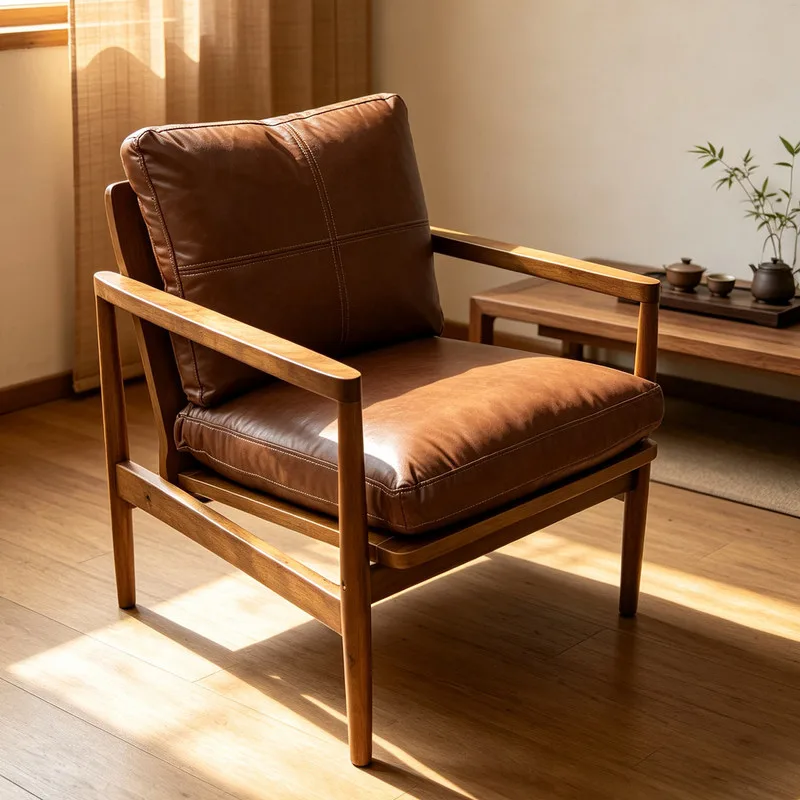
- Hide size: a finished upholstery hide runs 4.5 to 5.5 m², or 45 to 55 square feet.
- Usable share: only 60 to 70 per cent of a hide is usable for large panels once the belly, neck and flanks come off.
- Yield per hide: 5 to 7 restaurant chair covers, or 1 to 2 lounge chairs.
- Placement rule: seat panels from the butt and centre, backs from the shoulder, never a seat panel cut within 150 mm of the belly.
- Defects: a 10 mm allowance around any visible mark; a scar under 8 mm is acceptable on an outside back and never on a seat.
- Result: leather cutting waste lands at 22 to 30 per cent against 12 to 18 per cent for woven cloth, which is the biggest reason leather chairs cost more than the hide price suggests.
Where the waste actually goes
Cutting rooms can account for almost every metre they lose. When they cannot, the quote is padded.
- Pattern repeat: 8 to 12 per cent of the roll on a standard repeat.
- Flaws rejected at spreading: 3 to 5 per cent for shading, slubs and pulls found on the spreading table.
- End-of-roll loss: 2 to 3 per cent on 30 m rolls, closer to 1 per cent on 50 m rolls, which is why longer rolls price better.
- Mis-cuts: we hold remakes under 2 per cent; above 4 per cent the patterns are wrong, not the cutters.
- Seam allowance: 12 mm on every edge, worth about 6 per cent of panel area on small parts and 3 per cent on large ones.
- Net: 15 to 20 per cent total waste on woven cloth is normal and already sits inside a properly built price.
What yield does to your unit price
Small yield moves are invisible on one chair and obvious on five hundred.
- Cloth price: contract fabric runs USD 8 to 25 per metre at 140 cm; upholstery leather runs USD 3.50 to 7.00 per square foot.
- A 5 per cent swing: on 500 dining chairs at 1.0 m² each and USD 14 per metre, that is roughly USD 700 of cloth, or USD 1.40 a chair.
- Spare cloth: order 3 to 5 per cent extra; below 3 per cent and a single damaged panel cannot be matched later.
- Dye lots: one lot covers about 300 to 500 chairs, past which expect a shade step visible at 1 m under 4000 K lighting.
- Production markers: cutting from a graded production marker instead of sample-room hand cutting saves 4 to 7 per cent, which is free margin on a repeat order.
- Splices: allow one splice per roll on inside faces only, never across a seat or a back panel.
Lines for the purchase order
Five lines cover everything a cutting room can quietly change between the sample and the bulk order.
- Fabric definition: width, pattern repeat in centimetres, and whether the cloth is one-way.
- Marker: require cutting from a graded production marker, not hand-cut sample-room patterns.
- Allowance and tolerance: 12 mm seam allowance, plus or minus 2 mm panel tolerance.
- Leather rules: hide size, grade, and the placement rule for seat and back panels.
- Spare: 3 to 5 per cent of cloth shipped with the order from the same dye lot, labelled by roll number.
The lounge and hotel frames these covers are cut for are shown on the lounge chair frames; branding, labels and packing requirements are covered under our OEM branding and packing service.