Leather or PU for a commercial seat?
Genuine leather costs four to six times more than PU and lasts longer — but not always four to six times longer. The right answer depends on the venue.
Published by JP Furniture · Chair manufacturer in Foshan, China · 2026-09-26
The three materials
- Genuine leather — full or top grain. Breathable, develops a patina, repairable by a specialist, longest service life.
- Bonded leather — leather fibre bonded to a PU backing. Cheaper, and the most likely to delaminate and flake. Avoid for commercial use.
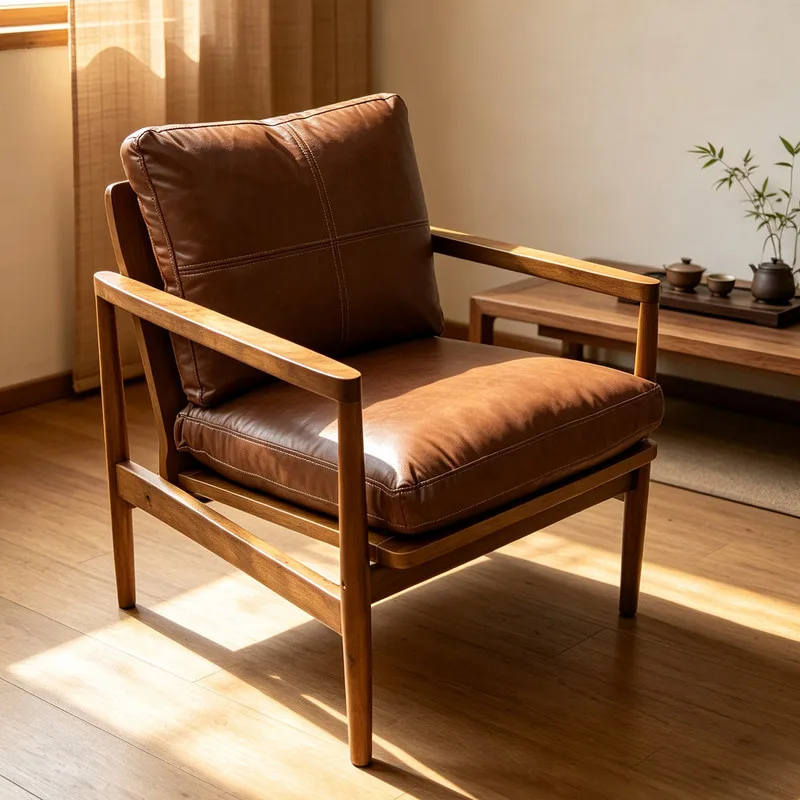
- PU / PVC faux leather — uniform, wipe-clean, non-porous, and the cheapest. Does not breathe; can crack in dry heated interiors over time.
Where each makes sense
Bars and cocktail venues with spill risk favour PU: it wipes clean, resists liquids and costs a fraction of leather. Fine-dining rooms and hotel lounges where guests sit for two hours justify leather on comfort and longevity grounds.
Bonded leather has no commercial application we would recommend — it fails faster than good PU and costs more.
Lifecycle cost, not unit cost
Compare cost per seat-year. Leather at six times the price lasting three times as long still loses on pure arithmetic — but it wins when the seat is part of the room's identity and reupholstering is planned. PU is the rational choice where seats are expected to be replaced rather than restored.
See upholstered models in the leisure chair range.