The five colour fastness tests that decide when fabric looks old
Abrasion tells you when a fabric will wear through. Colour fastness tells you when it will stop looking new — and on a sunlit window bench that can be inside 18 months. There is no single number; five separate tests cover light, rubbing, wet treatments, cleaning chemicals and pilling.
Published by JPChairs · Chair manufacturer in Foshan, China · 2026-10-29
Five ways colour fails, five different tests
Fabrics can pass one test and fail another badly, so 'colour fast' on a quotation means nothing without the standard and the grade:
- Light: ISO 105-B02 xenon arc, rated 1 to 8 on the blue wool scale.
- Rubbing (crocking): ISO 105-X12, dry and wet, rated 1 to 5 on the grey scale.
- Water and perspiration: ISO 105-E01 and ISO 105-E04.
- Bleach: ISO 105-N01 hypochlorite, with stain release checked to AATCC 130.
- Appearance after use: pilling ISO 12945-2 and seam slippage ISO 13936-2.
For restaurant and hotel seating we treat grade 4 as the floor on every one of them and grade 5 on light fastness for anything within 2 metres of glazing. Options rated this way sit with the contract upholstered lounge chairs.
Light fastness: blue wool grades and xenon hours
The blue wool scale runs from 1, which fades almost immediately, to 8, which is essentially stable, and every step is roughly double the exposure time of the one below it:
- Grade 4: acceptable for indoor seating away from windows, about 20 AATCC fading units.
- Grade 5 to 6: what we specify for window benches and conservatories, 40 to 80 AFU.
- Grade 6 to 7: outdoor cushions and marine cushions, where UV attacks the fibre as well as the dye.
Test to ISO 105-B02 with a xenon arc lamp and write the pass criterion as a number, not an adjective: we accept a Delta E of 4 or less after 40 hours of exposure. Guests notice a change at Delta E 2 to 3, so grade 4 fabric is visibly different long before it officially fails.
South-facing window seats in temperate climates receive roughly 25 to 40 kilolux-hours per day in summer, which is why the window row of a dining room greys out 12 to 18 months ahead of the interior rows.
Crocking: dry and wet rub ratings
Crocking is dye transferring off the fabric onto clothing — the fault that arrives as stained light trousers. The test rubs a white cotton cloth across the face under a 9 N load:
- Dry rub, ISO 105-X12: grade 4 minimum, 4 to 5 for pale colours and prints.
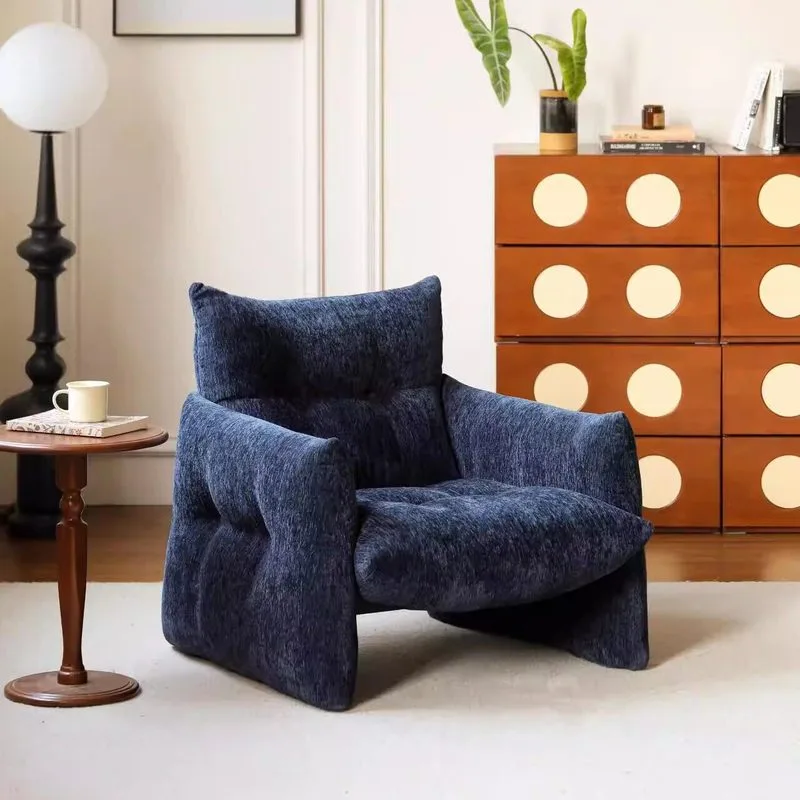
- Wet rub: grade 3 to 4 is the usual result on saturated reds and navy; the contract specification should still ask for 4.
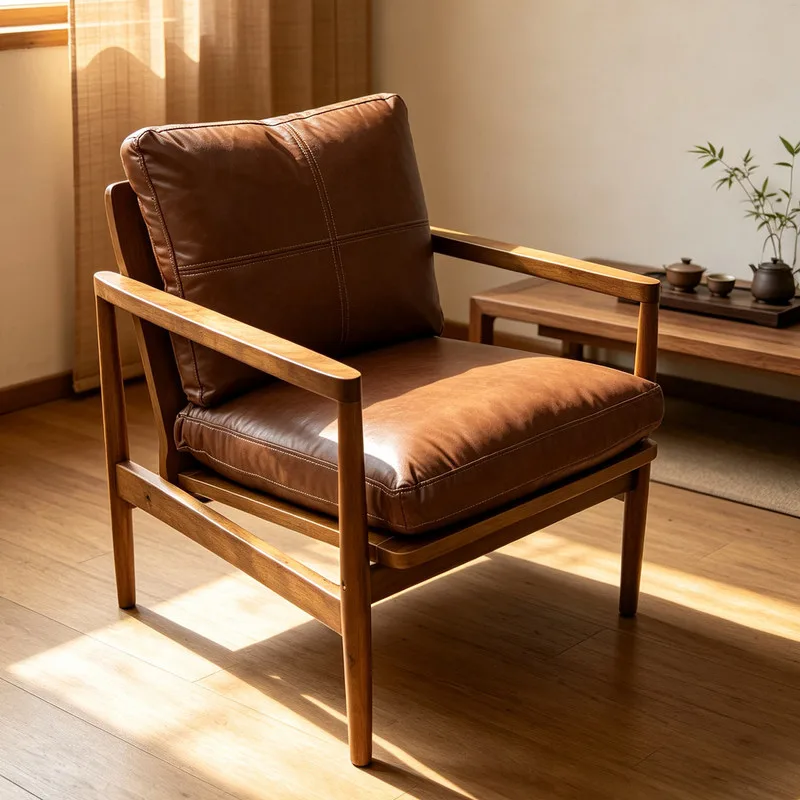
- Leather, ISO 11640: 500 cycles dry, 250 wet and 50 with artificial sweat, grey scale 4 or better.
- PU and PVC: no dye to transfer, so they pass by default — their failure mode is plasticiser bloom, a haze that appears after storage above 60 °C.
Dark navy and deep red are repeat offenders. If a project is fixed on either, ask for a reduction clean after dyeing and re-test: one extra day and roughly USD 0.30 per metre.
Water, sweat and what the cleaning team will do to it
- Water, ISO 105-E01: grade 4 minimum; this is the one that fails when chair backs get wet-mopped.
- Perspiration, ISO 105-E04: grade 4, and the reason some armrest fabrics discolour during the second summer.
- Hypochlorite bleach, ISO 105-N01: most contract fabrics fail at disinfectant strength. A 1:10 household dilution gives about 500 ppm available chlorine, which is enough for food-contact surfaces.
- Stain release, AATCC 130: grade 4 after one wash; worth having on removable seat covers.
The failure is rarely the fabric. It is a cleaner at pH 12 or pH 2 used at five times the labelled dilution. Ask the mill for a cleaning window between pH 4 and pH 10 and put that range in the venue's cleaning manual before the chairs ship.
Appearance after use: pilling and seam slippage
Two more tests decide whether a chair looks shabby before it actually wears out:
- Pilling, ISO 12945-2: grade 4 to 5 at 2,000 revolutions, grade 5 at 7,000 for high-traffic banquettes.
- Seam slippage, ISO 13936-2: an opening of 6 mm or less under a 200 N load, or 4 mm at 120 N for lighter contract cloths.
- Dimensional change, ISO 5077: 2 per cent or less for removable covers washed at 40 °C.
Pilling is a yarn and construction problem, not a finishing problem. Loosely spun polyester and wool blends pill fastest, and a tight weave in the 320 to 380 g/m² band solves it more reliably than any anti-pilling treatment applied afterwards.
What to specify, and how long the tests take
- Name the standard and the minimum grade, never the word 'fast'.
- Light fastness grade 5 within 2 metres of glazing, grade 4 further in.
- Test report per colourway and per dye lot, less than 12 months old.
- Delta E limit of 4 after 40 hours alongside the grey-scale grade.
- Allow 5 to 7 working days for the full set, at around USD 60 to 120 per test per colourway.
Light fastness is the slow item because the xenon run alone is 40 to 80 hours, so budget the full week before you lock a dye lot into production. Blue wool references and a crock meter sit in our own lab for daily control, and the full ISO set goes out per dye lot. Colour and batch differences are locked through the OEM colour approval process.