Which stainless steel grade for chairs?
Not all 'stainless' is stainless. The grade on the frame decides whether a chair rusts — and the wrong grade is invisible at delivery.
Published by JP Furniture · Chair manufacturer in Foshan, China · 2026-09-26
The three grades you will be quoted
- 201 — manganese-substituted austenitic steel. Cheapest, magnetic when worked, and the least corrosion resistant. Acceptable only for dry indoor use.
- 304 — the standard 18/8 stainless. Non-magnetic, excellent corrosion resistance indoors and in most urban outdoor settings. The default for contract furniture.
- 316 — molybdenum-bearing, marine grade. Required for coastal, poolside and high-chloride environments. Costs roughly 30–40% more than 304.
Why 201 gets specified
201 looks identical to 304 when polished and costs materially less, which is why it appears in price-driven quotes. It will hold up in a dry inland restaurant. It will tea-stain and pit in a coastal terrace or a humid kitchen-adjacent space — often within a single season.
How to verify what you are getting
- Ask for the mill certificate with the heat number.
- Use a magnet test as a rough screen: 304 in the annealed state is essentially non-magnetic, 201 often shows slight pull after forming.
- Specify the grade on the purchase order, not just 'stainless steel'.
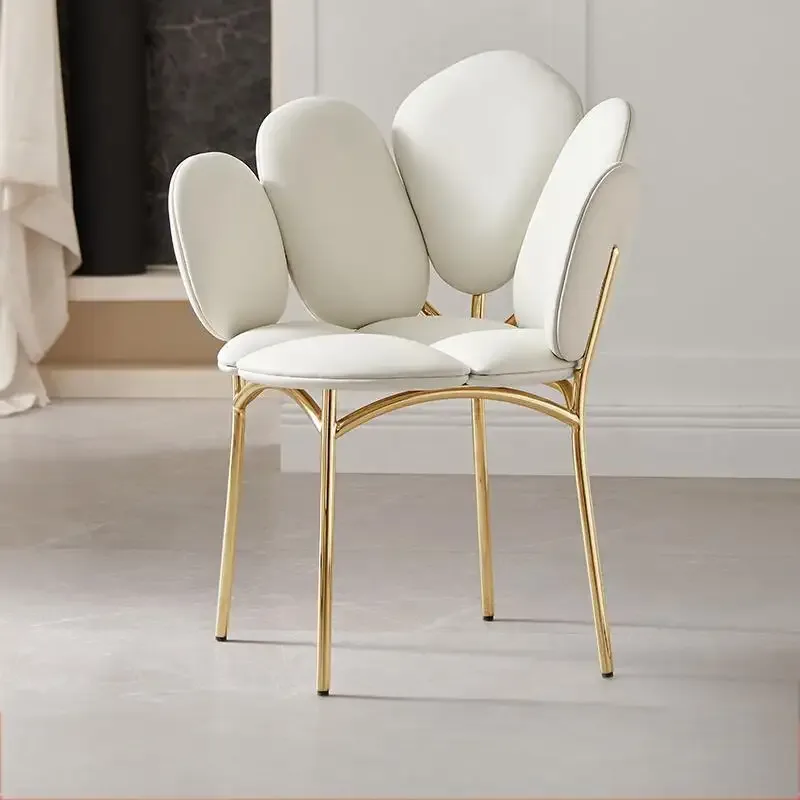
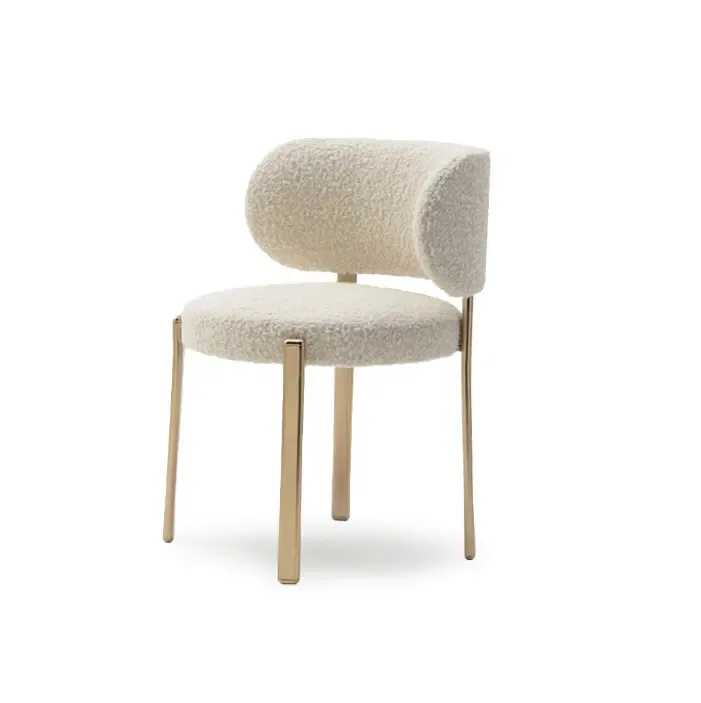
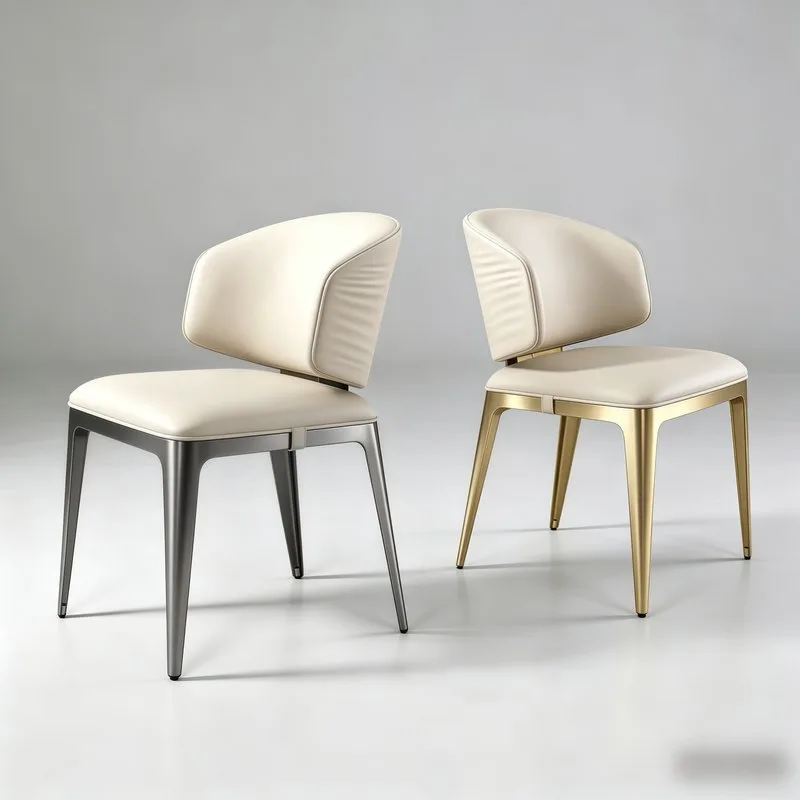
We quote 304 as standard and 316 for coastal projects. See the stainless steel chair range.