Seat cushion wrap: wadding, crown height and corner pleats
The seat cushion on an upholstered chair is a stack, not a block. Foam carries the load, but how long the cushion reads right depends on the wadding, the glue, the crown and the corners, and each of those has numbers.
Published by JPChairs · Chair manufacturer in Foshan, China · 2026-11-19
Four layers, four different jobs
Every wrapped seat cushion is four layers: foam core, polyester wadding, fabric cover and the staples that close it onto a timber deck. Failures that look like foam problems are usually layer problems, which is why the build sheet lists each layer separately.
- Foam core at 35 to 45 kg/m3, 60 to 80 mm thick on lounge seats and 35 to 45 mm on dining seats.
- Wadding at 100 to 200 g/m2 between foam and fabric softens the edge and builds crown. It adds no support and costs little.
- Fabric is cut 25 to 35 mm larger than the deck all round; that margin is where the pleats and staples live.
- Glue bonds foam to deck and wadding to foam. Built without glue, the layers shift inside weeks.
Crown height and how it is built
Crown is the 5 to 10 mm dome across the cushion centre that keeps the cover tight after months of use. It is not shaped into the foam; it is built by wrapping the wadding over the foam edge, so the centre reads thicker than the rail line.
- Measure with a straightedge across the centre: new seats read 5 to 10 mm above the rail, backs 8 to 12 mm.
- Flat builds at 0 to 2 mm look crisp in the showroom and sag visually after 3 to 6 months as the cover works loose.
- Crowns over 15 mm read puffy and push the sitter toward the rail edges.
- After a 5,000-cycle sit test the crown should stay within 2 mm of its new reading. More means the wadding is migrating.
Wadding weight and what each weight does
Wadding weight decides crown and edge softness together. One layer of 100 g/m2 is the standard seat build; heavier wraps go where the hand touches first.
- 100 g/m2 single wrap: crown 5 to 7 mm with the edge still defined. The standard for dining and bar seats.
- 150 to 200 g/m2: crown 8 to 12 mm and a softened rail. Backs, arm caps and lounge seats.
- With no wadding, the fabric prints the foam grain and edge line through within weeks, worst on light covers.
- Above 250 g/m2 the cover drapes loose and the pleats stop holding, so corner work assumes 100 to 200 g/m2.
Glue coverage and delamination checks
The adhesive layer is where shortcuts hide. Contact adhesive goes on both faces at 30 to 50 g/m2 each, with 5 to 10 minutes of open time before the layers meet. Under-glued cushions pass on day one and delaminate in transit humidity.
- Peel test on a 50 mm strip: wadding and cover should lift from the foam at 8 to 15 N per 25 mm. Below that, coverage is thin.
- After 72 hours at 40 C and 90% RH, no layer separation is allowed. That humidity check runs before packing, not after complaints.
- Spray grades keep pace on 100 to 200 cushions a day but need 35 to 50 g/m2 to match brush coverage.
- Glue stops 10 mm inside the staple line. Adhesive at the rail edge gums the channel and the cover creases.
Corner pleats and the staple line
Corners decide whether the cover stays square. Every corner takes two to three pleats, folded so the excess fabric stacks at the corner post rather than along the rail, and the staple line runs at 25 to 30 mm spacing.
- Single darts suit rounded corner posts; box corners with two pleats suit square rails at 90 degrees.
- Pleat direction follows the long axis. Cross-pleats show as bumps under the fabric within a month.
- Staples 25 to 30 mm apart on straight rails and 15 to 20 mm through the pleat stack, which loosens first.
- Hand tension of 20 to 30 N at the last three staples per rail keeps the cover drum-tight; full-speed machine stapling skips that check.
Inspection and the fatigue view
Cushion inspection is measured, not squeezed by hand. The OEM cushion build sheets we work from list crown, layer weights and staple spacing per model, and the numbers carry through to batch checks.
- Crown gauge at plus or minus 2 mm against the model master, checked on 1 in 20 cushions.
- 5,000-cycle sit test on new models: crown loss under 2 mm, no wadding shift at the rail, cover slack under 3 mm.
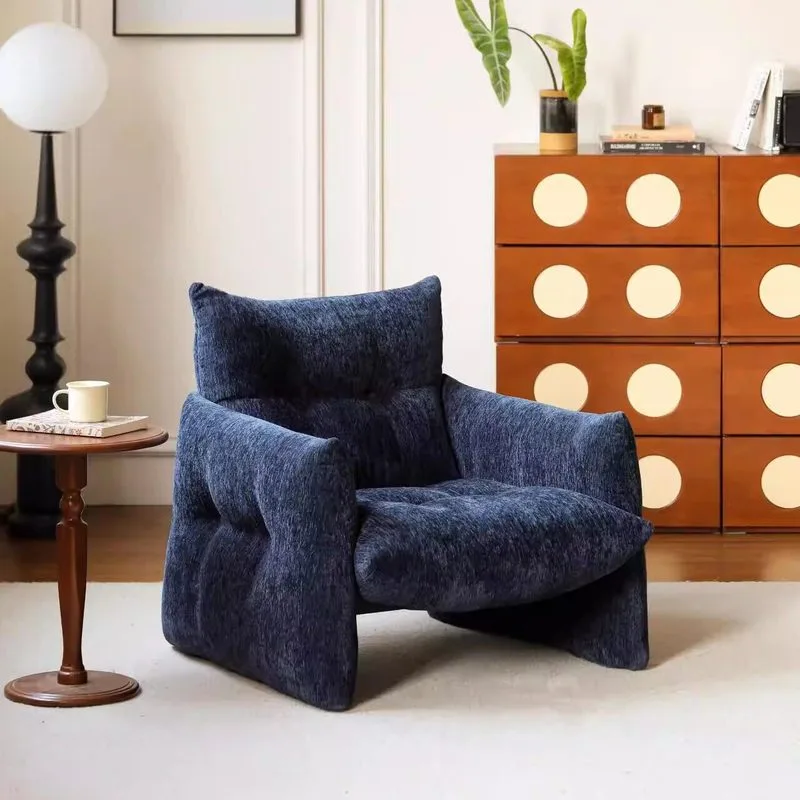
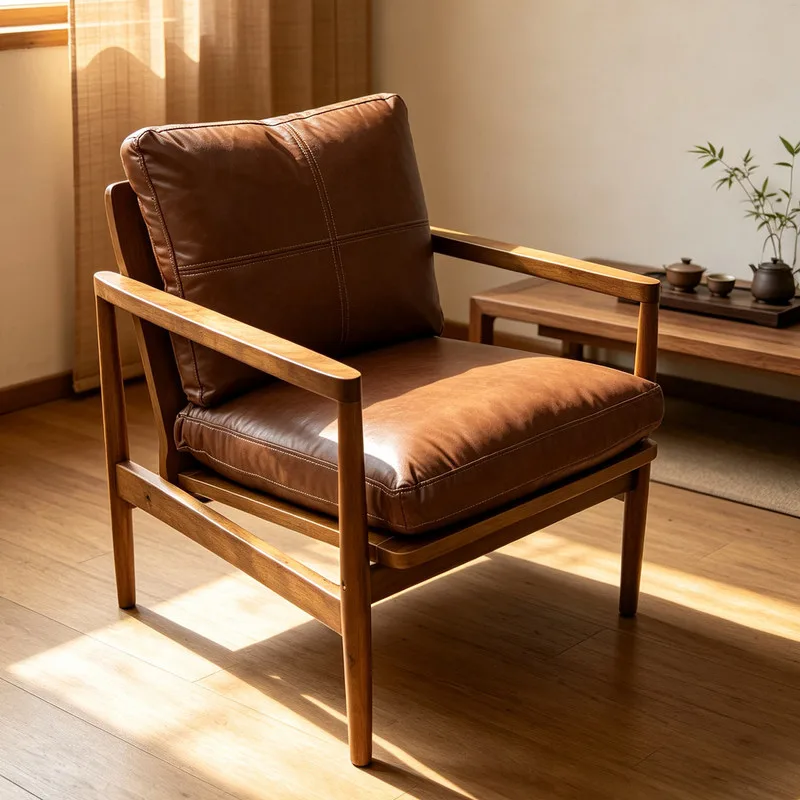
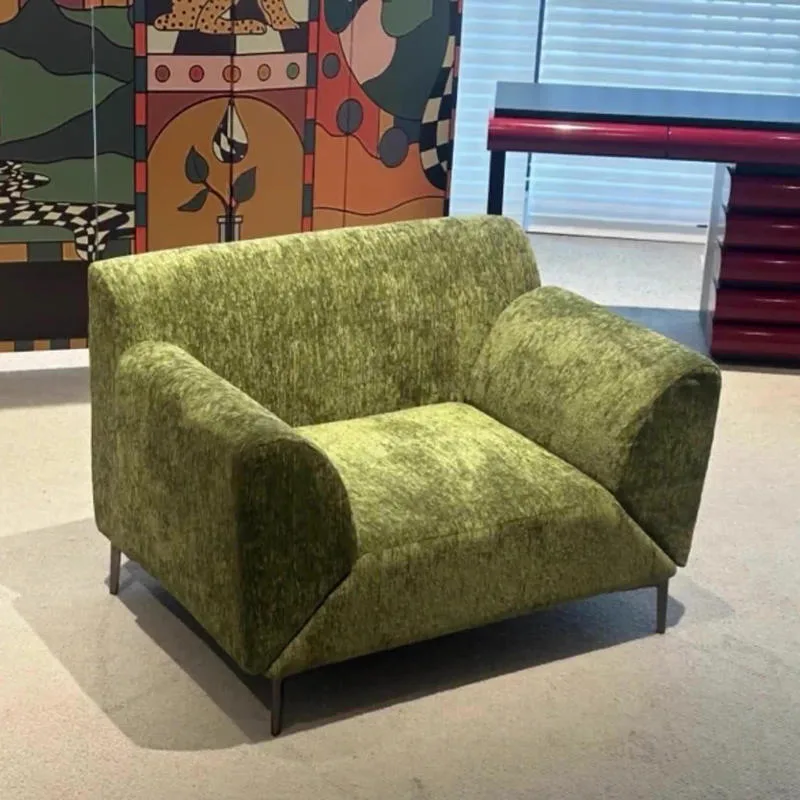
- The upholstered lounge chairs with crowned seats we ship get the same check on every batch, not only the first article.
- Rework on a failed cushion runs 12 to 18 minutes to restaple and 25 to 35 minutes to rebuild, which is why glue and wadding are checked inline before stapling.