What an FSC claim on a chair actually covers
An FSC claim is a statement about the wood in the chair, backed by a chain of custody. Ask for the wrong document and you get a certificate that proves nothing about the furniture you are buying.
Published by JPChairs · Chair manufacturer in Foshan, China · 2026-10-18
The three labels and the difference between them
There are three FSC labels, and they mean very different things on a quotation.
- FSC 100 per cent: every wood fibre comes from an FSC-certified forest. The strictest claim, and the hardest to source in a specific species and grade.
- FSC Recycled: 100 per cent reclaimed fibre, with the post-consumer share stated separately. Useful for panel products, and for buyers who want a recycled-content claim rather than a forest claim.
- FSC Mix: certified forest material blended with recycled fibre and controlled wood, with controlled wood capped at 30 per cent. It is sold either as Mix Credit or as Mix NN per cent, where NN is the certified share actually in the product.
Quotations that say only FSC are not claims. The invoice has to name the label and, for Mix, the percentage.
Which parts of the chair the claim covers
Certification follows the wood. On a typical solid wood restaurant chair that breaks down like this:
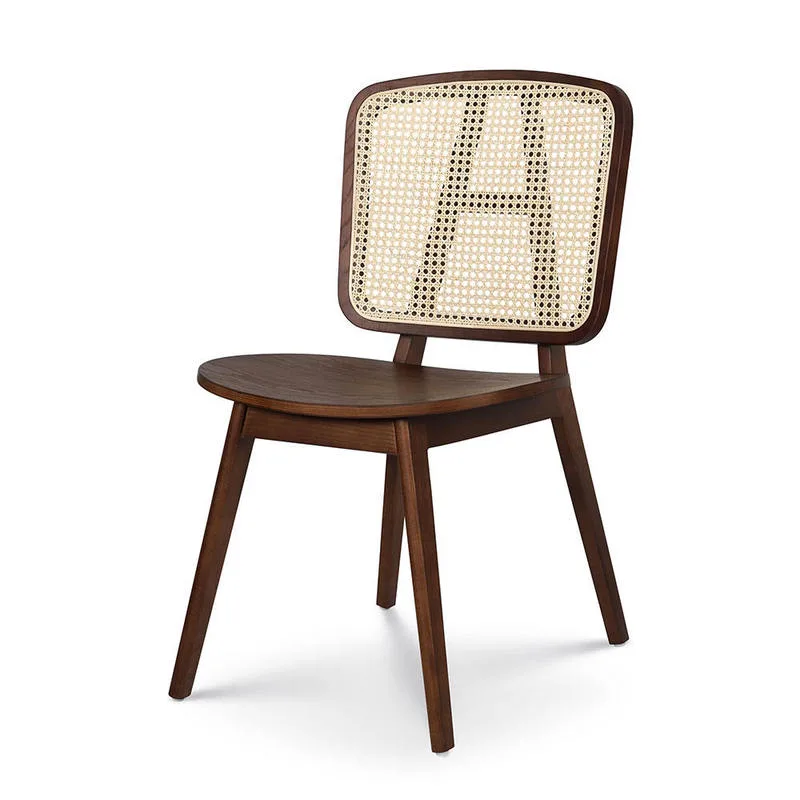
- Covered: the beech, ash, oak or rubberwood frame, the veneer face, the plywood seat panel and any MDF under a veneer.
- Not covered: foam, fabric, leather, glue, bolts, glides and steel or stainless components. Those have their own standards, none of which are FSC.
- The trap: a certified solid frame with an uncertified plywood seat panel is not an FSC 100 per cent product. Either the panel is sourced certified, or the item is sold as Mix with the percentage declared.
We hold certified timber in a separate marked bay, cut it on a booked slot and keep the lot number on the production card, so the fibre traces back to the delivery note and the transaction record.
What it costs, and where the money goes
Three costs separate an FSC chair from the same chair uncertified.
- Material premium. Certified beech and ash run 8 to 15 per cent above the same grade uncertified; certified European oak, 12 to 20 per cent.
- Chain of custody. An annual surveillance audit of USD 1,500 to 3,500, plus initial certification. The certificate runs five years and is audited every 12 months.
- Lot handling. Certified material is bought and released in lots of 5 to 10 m3. Below that you buy into a shared lot, which adds 3 to 7 working days to material release.
On a USD 45 solid wood chair the timber content is roughly USD 15 to 22, so an 8 to 15 per cent premium on the wood is USD 1.20 to 3.30 per chair. The audit fee adds about USD 3 to 7 a unit on a first 500-chair order, and under USD 1 a unit on repeat programmes.
How to check a certificate in ten minutes
- Get the certificate code. It looks like FSC-C000000. A supplier quoting FSC without a code is quoting a claim they cannot verify.
- Search it in the public FSC certificate database. Check three things: status valid, expiry date not passed, and the scope lists furniture rather than merely sawmilling or timber trading.
- Check the name. The certificate holder has to be the company invoicing you, or a supplier whose transaction record links forward to your order.
- Read the invoice, not the email. Valid claims show the label, the percentage for Mix, and the quantity. Transaction records are kept five years and should be produced within 30 days of request.
- Ask before printing the logo. Putting the FSC mark on a carton or hangtag needs a trademark licence and artwork approval, and adds 10 to 15 days. Most trade buyers do not need it.
What to write into the purchase order
Four lines turn a marketing claim into something you can enforce:
- The claim type, in words: FSC 100 per cent, FSC Mix 70 per cent or FSC Recycled.
- The certificate code of the supplying facility and its expiry date.
- Requirement that the commercial invoice repeats the claim and the percentage.
- Requirement that the transaction record be supplied within 30 days and retained five years.
Add one more: any substitution of species or panel after approval needs written confirmation, because a swapped plywood core silently turns a 100 per cent claim into a Mix claim.
When it is worth paying for
- Worth it: hotel groups and restaurant chains with a written procurement policy, public sector and education tenders in the EU and UK, and any buyer whose own ESG reporting counts certified timber.
- Usually not: one-off orders below 150 units, residential projects, or a claim nobody will ever audit. Spend that money on a harder finish instead, which the guest actually notices.
- Legality is a separate file. Certification is not legality. US importers file a declaration under the Lacey Act, and EU buyers are now asked for plot-level geolocation data under the EU Deforestation Regulation, which is a different document set from an FSC claim.
Certified frames in the FSC-certified solid wood chairs can be quoted against FSC 100 per cent or Mix, and the documentation that ships with them is on the OEM documentation process.