Chair joints ranked by how long they last
Chairs fail at the joints. The frame species and finish get the marketing attention; the joint decides whether the chair is still in service in year five.
Published by JP Furniture · Chair manufacturer in Foshan, China · 2026-09-26
The main joint types
- Mortise and tenon — the strongest wood joint, and the one that can be re-glued. Standard on good contract seating.
- Dowel and glue — adequate when the dowels are deep and the glue line is full. Cheaper, weaker in racking.
- Screw and corner block — common on mass-market frames. Repairable but loosens under cyclic load.
- Welded steel — for metal frames. Strength depends entirely on weld penetration and cleanliness.
Why racking is the real test
A chair rarely fails under a vertical load. It fails when someone leans back and shifts sideways — a racking load that twists the joint. That is what the fatigue cycles in EN 12520 and BIFMA simulate.
Mortise and tenon resists racking because the tenon shoulder bears against the mortise face. A butt joint held by two screws has no such shoulder, which is why screwed frames loosen.
Repairability matters commercially
A glued mortise joint can be knocked apart, cleaned and re-glued by a competent carpenter. A screwed frame can be tightened once or twice before the hole is worn. Over a 200-seat room over eight years, that difference is the entire replacement budget.
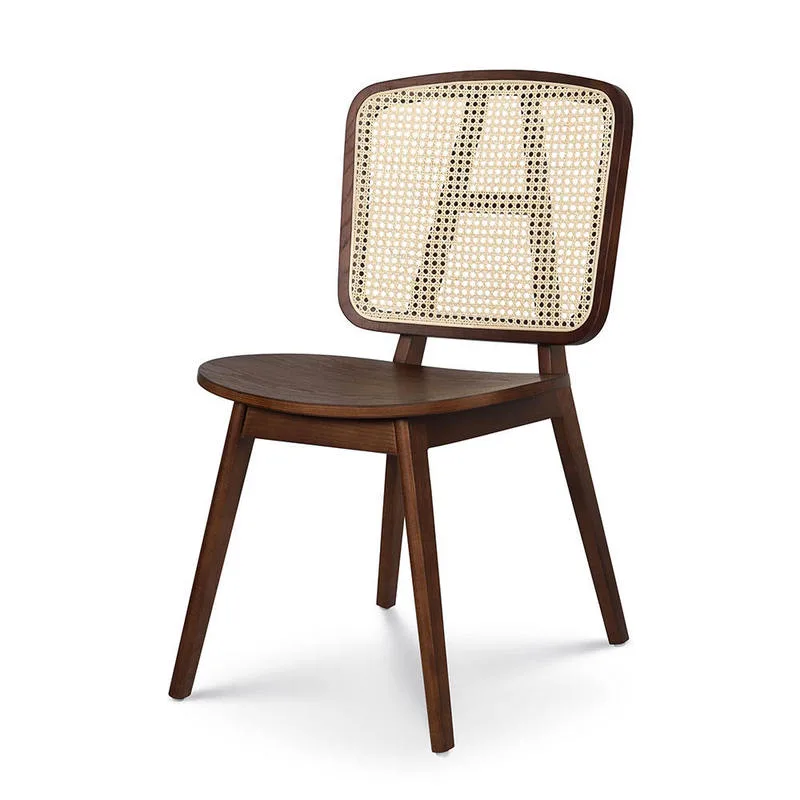
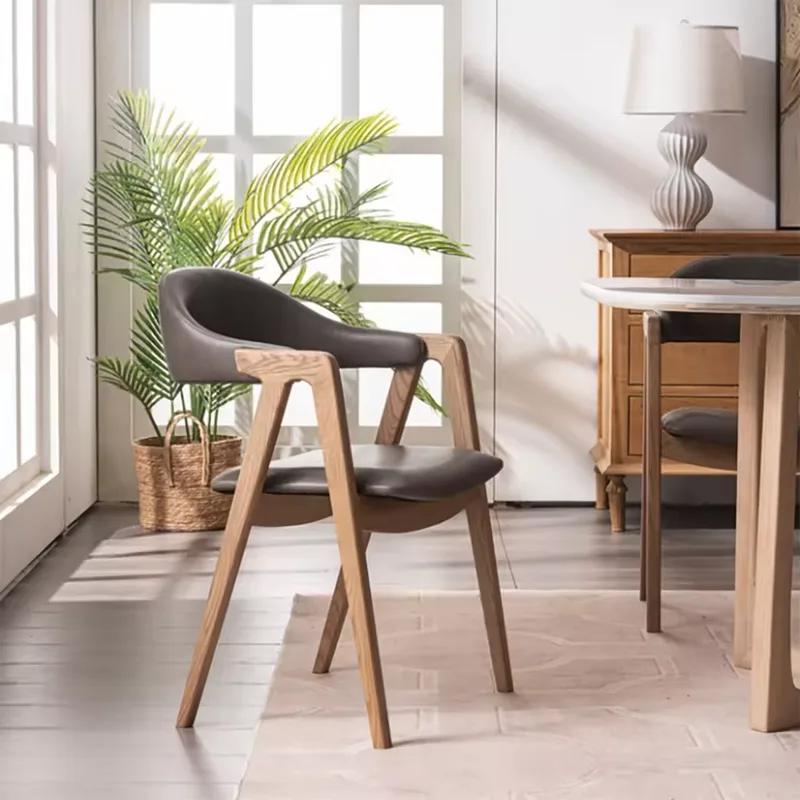
We build solid wood frames with mortise and tenon on load paths — see the wooden chair range.