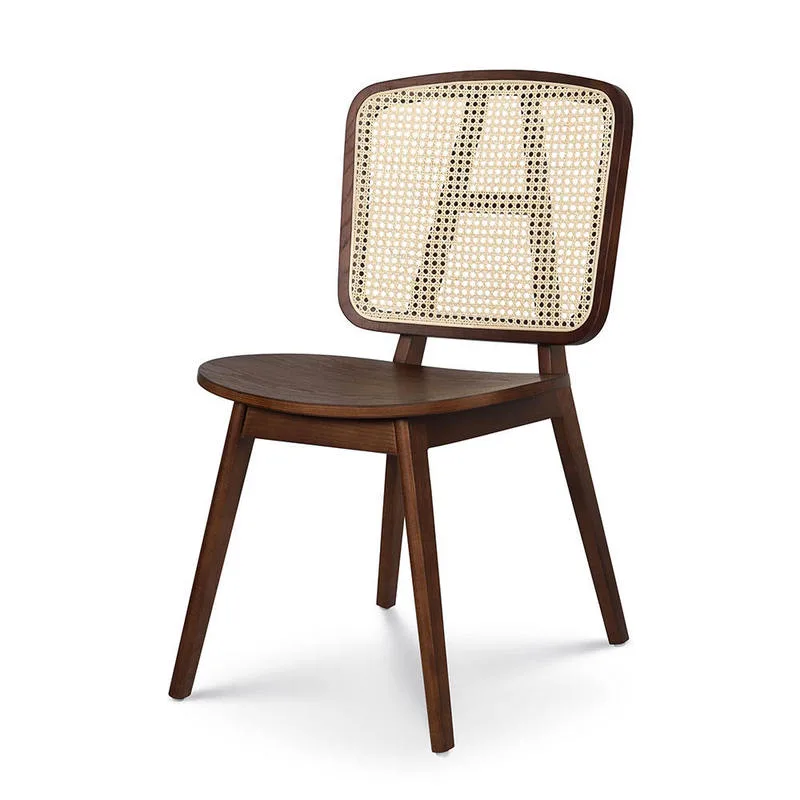
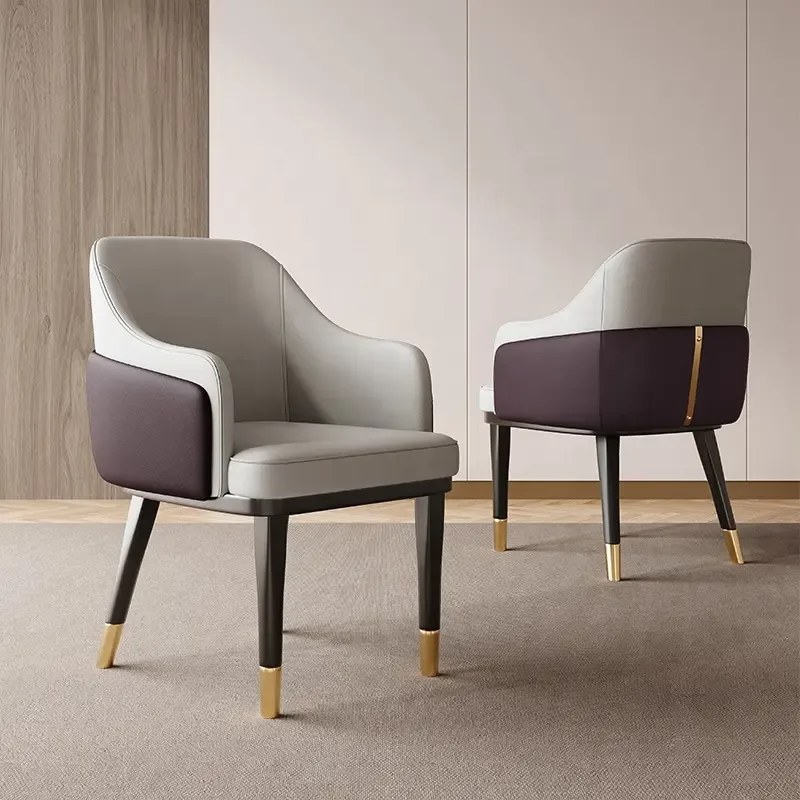
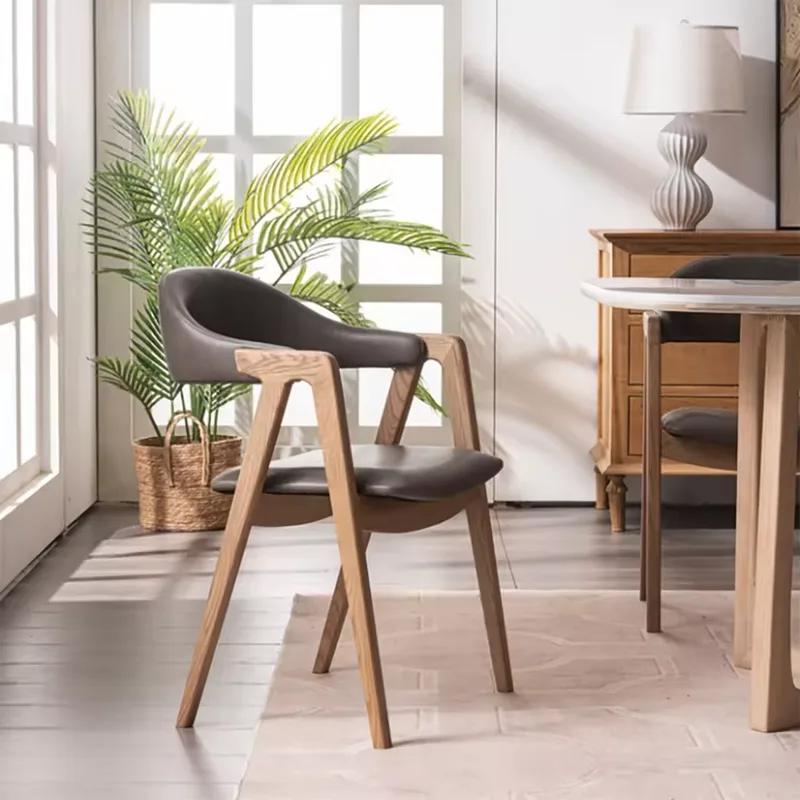
Solid wood vs veneer: the honest comparison
Solid wood is not automatically better. On some chair parts it is worse. Here is where each belongs.
Published by JP Furniture · Chair manufacturer in Foshan, China · 2026-09-26
Where solid wood wins
- Legs and frames — solid wood takes the racking load and can be repaired.
- Wear edges — a solid edge can be sanded and refinished; a chipped veneer edge cannot.
- Long service life — refinishing cycles extend the asset.
Where veneer is better engineering
- Seat and back panels — plywood or veneered board is more dimensionally stable than a wide solid panel, which will cup.
- Curved shapes — bent plywood achieves curves solid wood cannot without steaming and loss of strength.
- Figure and consistency — a sequenced veneer gives a matched grain across 200 chairs that solid wood cannot.
How to tell them apart
- Look at the edge: end grain on a rail means solid; a visible glue line and uniform plies mean veneered board.
- Look across a run: identical grain repetition suggests veneer.
- Weight: solid is heavier in the leg, not necessarily overall.
Ask directly. 'Solid wood frame with a veneered seat panel' is a completely legitimate and often superior specification — the problem is claiming solid where there is none.